





 Español
 Português
 Italiano
 Français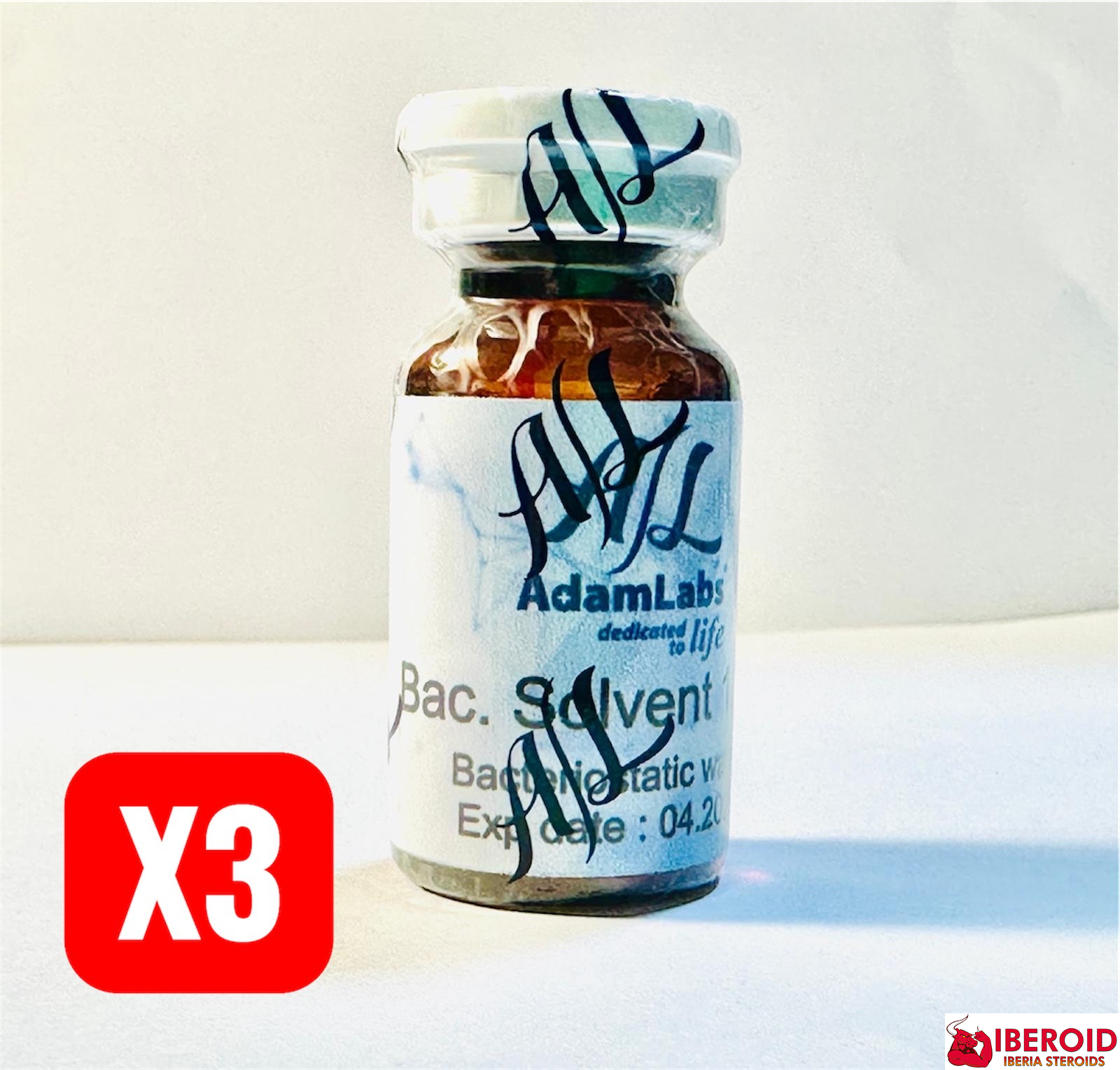


Description
It is widely used in the medical field, especially for diluting medications and as a solvent for injections. For its part, bacteriostatic water for injection is a variety of injectable water that contains a bacteriostatic agent to prevent the proliferation of bacteria in the solution. Water for injection is a sterile solution of water that is used as a vehicle to dissolve and dilute medications administered intravenously or intramuscularly. This solution is packaged in sterile ampoules or vials to prevent contamination. Bacteriostatic water for injection is a solution that includes a bacteriostatic agent, which prevents the growth of bacteria in the solution for a determined period of time.
Which to Choose? Bacteriostatic Water Versus Sterile Water The presence of bacteria in these products can cause serious adverse effects and even put the patient’s life at risk. This is because unmixed bacteriostatic water is not isotonic, meaning it won’t have particles that are balanced with those in the human bloodstream. If stored for a long time, the effectiveness of the bacteriostatic agent may decrease, which can compromise patient safety. The process of preparing bacteriostatic water for injection involves a series of steps to ensure its purity and sterility. It is always advisable to read them carefully before attempting to reconstitute peptides. In the medical field, for example, it is used to prepare solutions for injections, intravenous medications, and saline solutions. Furthermore, it is often used in medical equipment and devices to ensure they are sterile and infections are not spread. In summary, buying bacteriostatic water at the pharmacy is essential for maintaining good health.
Bacteriostatic Water for Injection It is composed of a mixture of bactericidal and bacteriostatic agents that act as preservatives and disinfectants. Additionally, its use helps to eliminate organic residues and microorganisms present on surgical materials. Bacteriostatic water is used to clean and disinfect medical equipment, such as endoscopes, hemodialysis equipment, and equipment for preparing medications. This solution is especially useful for doctors and nurses who treat patients with a high risk of infection. It is specially formulated to minimize the risk of infection and to help prevent the spread of diseases. Newborns, or neonates, should not be treated with medications mixed with 0.9% benzyl alcohol bacteriostatic water. Benzyl alcohol can cause changes in blood pressure or even be toxic to such a small baby. Water for injection is indicated for those cases where a parenteral route of administration is needed, that is, when the medication needs to reach the bloodstream directly. Furthermore, this solution is very useful in situations where the patient cannot take medication orally. It is important to note that Pisa water for injection is a sterile solution, meaning it is free of any type of microorganism, including bacteria, viruses, and fungi. Bacteriostatic water is a type of water that has been treated to inhibit the growth of bacteria and other microorganisms. It contains a bacteriostatic agent that is added to the water to prevent the growth of bacteria and ensure its purity. Bacteriostatic water is commonly used in the medical industry to dilute injectable medications and keep them free of contamination. It is important to note that sterile water for injection does not contain any type of bacteriostatic agent, meaning it does not have any component that prevents the growth of bacteria. Therefore, if water is desired for the preparation of medications that will be administered in multiple doses, bacteriostatic water for injection should be used instead of sterile water. It is important that you always use high-quality bacteriostatic water to ensure its effectiveness and safety. Additionally, you must follow the instructions for use provided by your doctor or pharmacist to avoid any health problems. In this article, we will explain how to buy bacteriostatic water at the pharmacy and why it is so essential for your health. Furthermore, we will give you some tips for its correct use, in order to obtain the best results and prevent possible side effects. On the other hand, the use of bacteriostatic water is also relevant in other areas of the healthcare industry, such as in the conservation of biological samples or the production of cosmetic products. In general, it is an essential tool for maintaining high standards of hygiene and quality in any process that requires liquid handling. If you experience side effects after using bacteriostatic water, such as pain or inflammation at the injection site, you should inform your doctor immediately. You can also report any side effects to the product manufacturer or the FDA. Sterilized and bacteriostatic water does not contain bacteria, but once it is used for the first time (usually by inserting a syringe), the container can become contaminated. The advantage of bacteriostatic water is that bacteria that might contaminate it simply cannot grow and reproduce, or act as an infectious agent, so it can be used repeatedly. Despite its H2O designation, bacteriostatic water is not used as a fluid replacement, nor is it used in epidural or spinal procedures, as indicated in the drug’s contraindications from Drugs.com. RxList warns against the use of bacteriostatic water in neonatal patients, while side effects from the drug’s use in pediatric patients remain unstudied as of 2014. Sterile water for injection is a type of purified water that is used for various medical applications. It is composed of pure, microorganism-free water, making it safe for use in medical procedures. This water contains a bacteriostatic agent that helps prevent the growth of bacteria and other microorganisms in the reconstituted medication. The benzyl alcohol in the water makes bacteriostatic water ideal for diluting any medication that is going to be administered by intramuscular, intravenous, or subcutaneous injection. Once a bacteriostatic water vial is opened, the benzyl alcohol typically prevents the proliferation of bacteria for up to 28 days. Pisa water for injection is also known as bacteriostatic water for injection. This ingredient helps prevent the growth of bacteria in the solution and maintains its sterility. In pharmacies, bacteriostatic water is used for the preparation of injectable medications and solutions, where bacterial contamination can be lethal to patients.




Reviews
There are no reviews yet